Bringing the residency mechanism into China was an act of transplantation.
Chinese artists began going abroad, and foreign artists began arriving in China, in the 1980s — but the exchange was personal and scattered. There were visits and sojourns, but no one had yet organized support for artists to stay and make work.
The shift to organized exchange began with Australia. In 1989 the Australia Council initiated an artist residency program; in 1991 it was transferred to Asialink, Australia's national centre for Asia engagement based at the University of Melbourne. Asialink organized two-way artist residency exchanges across Asia, establishing artistic links with China in the process. Later, the Chinese-Australian artist Lindy Lee arrived in Beijing as Asialink’s first resident artist in China. For the first time, a structured, two-way international artist residency system was operating in China. Also in 1991, Brian Wallace opened Red Gate Gallery in the corner tower of Beijing's Dongbianmen city wall. An Australian who had first come to China in 1984, he had already organized exhibitions for young Chinese artists at the Ancient Observatory and elsewhere. Through the 1990s he assisted, informally and unpaid, the artists Asialink sent to Beijing — finding them housing and studios, and leading them into the city's art circles. These efforts provided nearly all the support available to international artists in Beijing at the time. And the channel ran both ways: in the same years, Chinese artists, funded through Asialink, took up residencies in Australia.
A decade of informal support had laid the groundwork. The mechanism had arrived; the soil was waiting. At a time when going abroad and meeting fellow artists from other countries were rare, an organized residency program that artists could apply to was a precious opportunity.
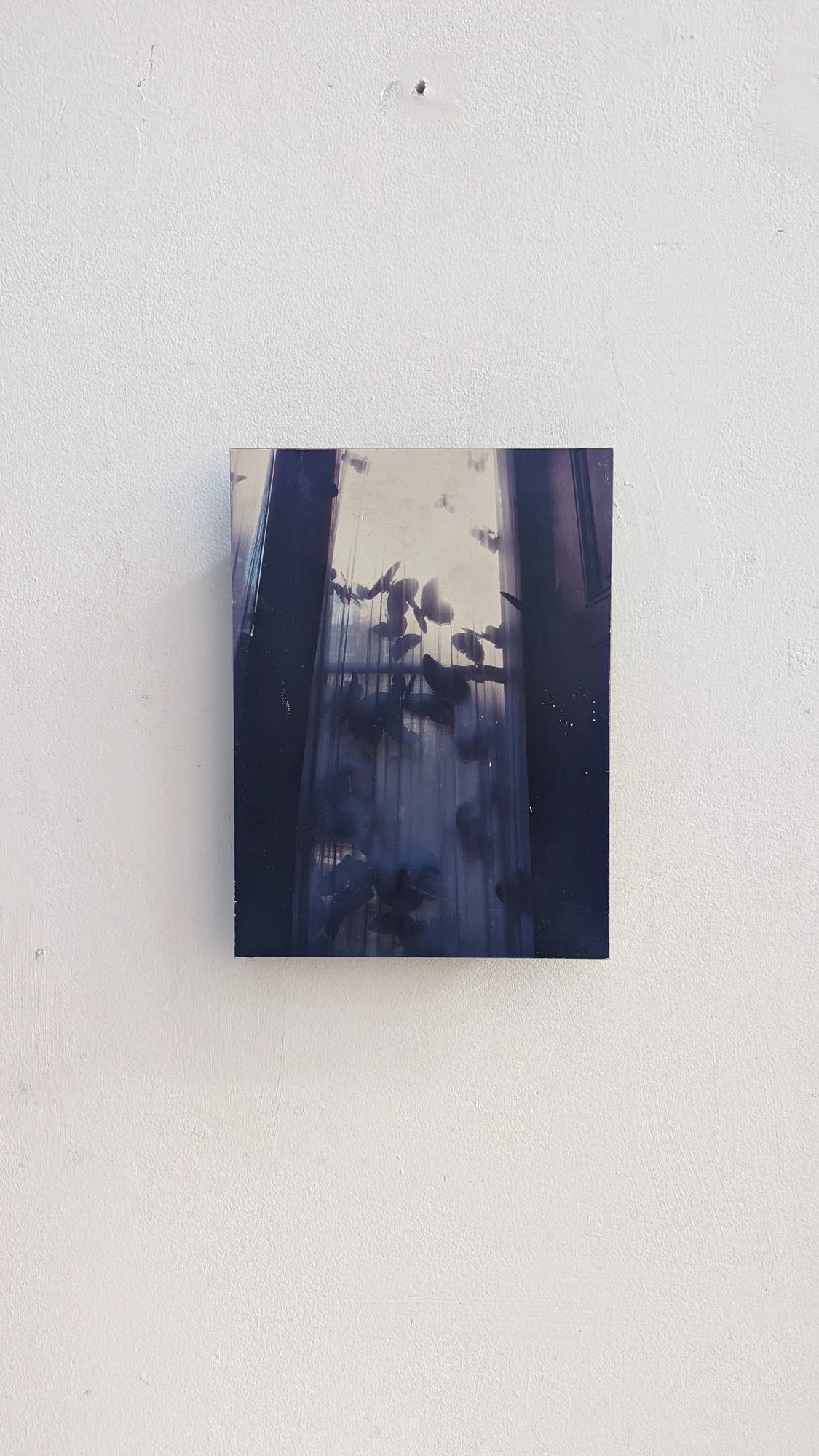
The Australian artist Jayne Dyer first came to Beijing in 1994 for a Red Gate Gallery exhibition — an experience that led her to apply for and be accepted into Asialink’s residency program. She subsequently returned to Beijing through Asialink’s residency program and went on to live and work in the city from 2007 to 2014. Her years of living and working in Beijing informed her installations, photography and sculpture; The Butterfly Effect translates that experience into artistic language.