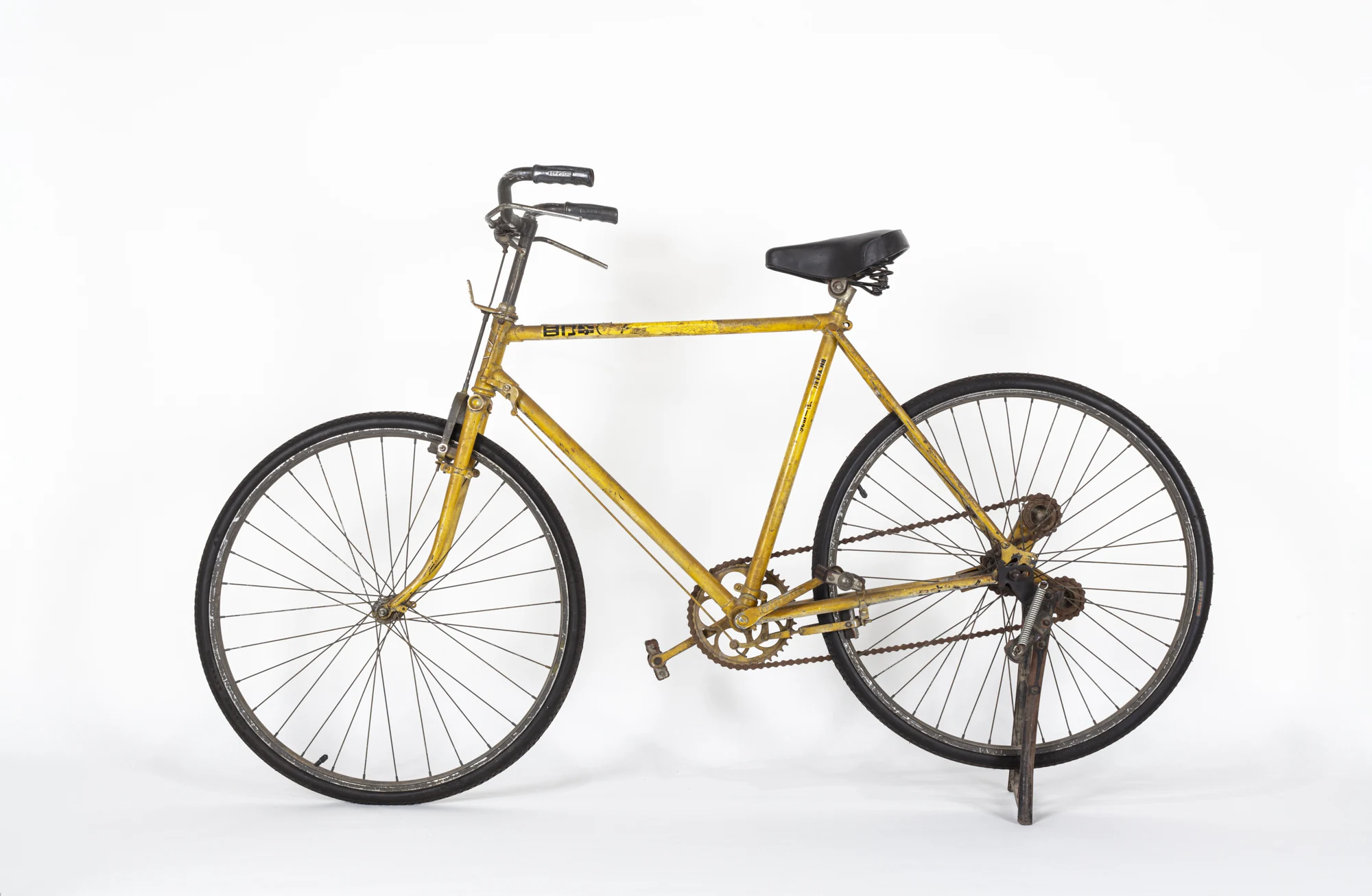
In 2001, Red Gate Gallery launched Red Gate Residency in Beijing — a decade of informal welcome, grown at last into a mechanism of its own: fixed apartments and studios, programs one could apply to, a standing roster of guests. Its cooperation with Australian institutions carried on through the early years.
That same year proved a hinge for the field as a whole. In Xiamen, the Chinese European Art Center (CEAC) opened its own residency program — and China's earliest standing international residencies, Red Gate's and CEAC's, came into being in the same year, on two different lineages.
CEAC had been founded in 1999 by Ineke Gudmundsson, a curator from the Netherlands, together with Professor Qin Jian of the Art College of Xiamen University. Its residency program, running without interruption ever since, is among the longest-standing non-profit residencies in mainland China — the moment when artist exchange in China shifted from one-off visits to sustained practice.
The grafting itself happened in Xiamen. CEAC kept close ties with Europe while putting down roots in the local soil: a working network of white-porcelain workshops in De Hua, printers in Xiamen, factories and laboratories, so that resident artists could actually make their work; apartments by the sea and the old harbor, walk-ins to university classrooms, a presentation at the center to close each residency. Over more than two decades, four hundred–plus artists from around the world have come to stay. Europe was the scion, China's southeast coast the stock; what grew was something neither side had seen before.
On the Red Gate side, the fruit showed in the paths artists took. In 2004 the Xiamen artist Chen Wenling came to Beijing through Red Gate's residency; in the two decades since, generations of Chinese and international artists have passed through. The Red Gate works shown here trace that passage — a residency offers more than a studio; it offers a stretch of social time that changes an artist's practice.