BALI ISLAND / CURATORIAL RESEARCH巴厘岛 / 策展研究
A durian seller enters a literati poem“榴莲叫卖一叶舟”:文人联句来到湄南河
A poem composed on a Bangkok boat trip brings tropical street life into a Chinese literati practice.
一次曼谷夜游,把热带风物写进了传统的文人联句。
Wang Lanruo · Guan Shanyue · everyday travel王兰若 · 关山月 · 行旅日常
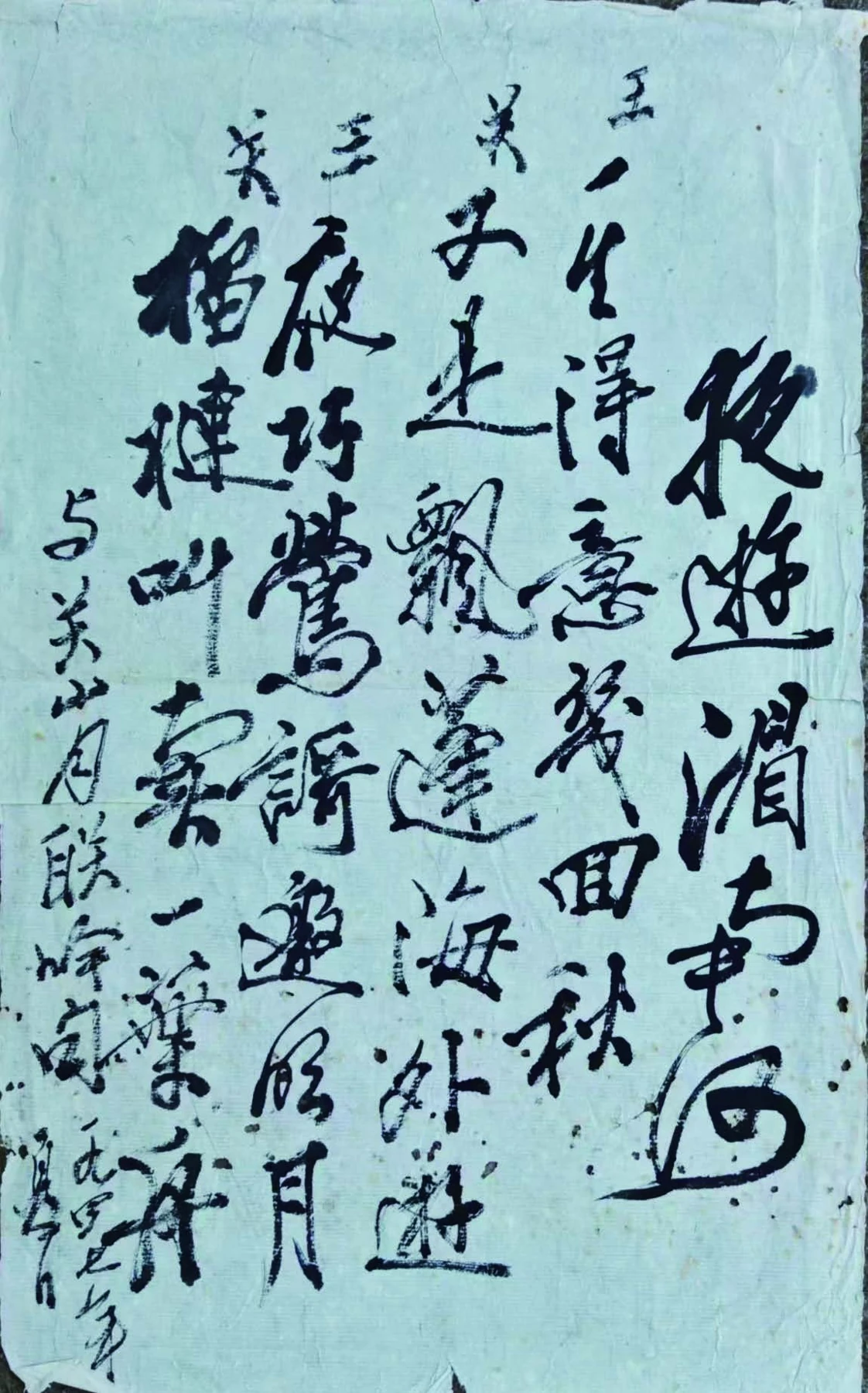
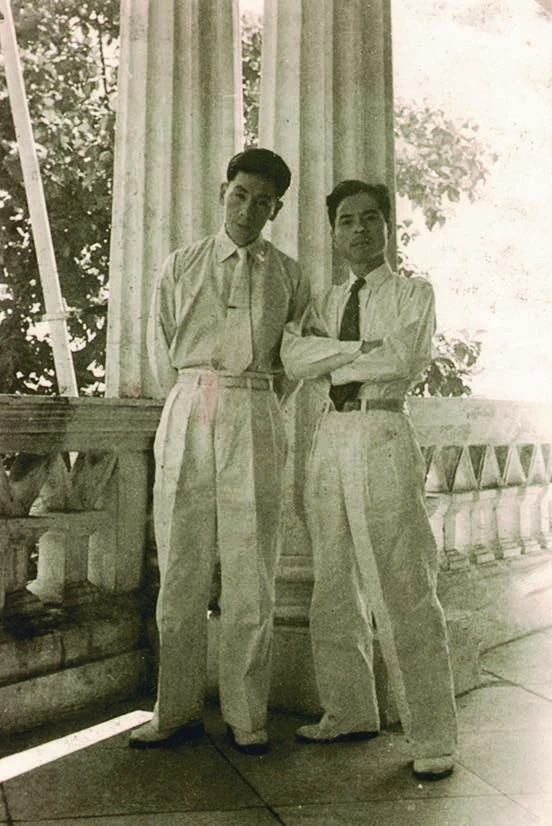
During a night tour of Bangkok’s Chao Phraya River in 1947, Wang Lanruo and Guan Shanyue composed a poem together. Wang wrote out the exchange in calligraphy. One line brings a boat selling durians into the poem, placing an ordinary tropical encounter within a long-established practice of poetic companionship.
The manuscript makes the artists’ journey tangible through a small detail of daily life. Poetry, calligraphy and sketching travelled with them, and their encounters gave those practices new subjects. Read alongside Wang’s later tropical-fish paintings, the poem prompts a question about how travel gradually changes what an artist notices and brings into the repertoire.
1947年,王兰若与关山月夜游曼谷湄南河,依次联句,再由王兰若写成书法。“榴莲叫卖一叶舟”把一次寻常的热带生活见闻写进了延续已久的文人唱和。
这份手稿通过一个日常细节,让艺术家的跨国行旅变得可感。诗歌、书法与写生随他们一同移动,而新的生活经验又为这些实践带来新的对象。把联句与王兰若后来的热带鱼绘画放在一起,也可以继续追问:旅行如何逐渐改变艺术家注意什么,又将什么带入自己的题材世界?
CONNECTED RESEARCH继续探索