Notes / Field Notes
Anti-nuclear art and Cold War memory
When Anti-Nuclear Art Spoke So Loudly
Women artists in the Philippines and Malaysia, 1984–1988
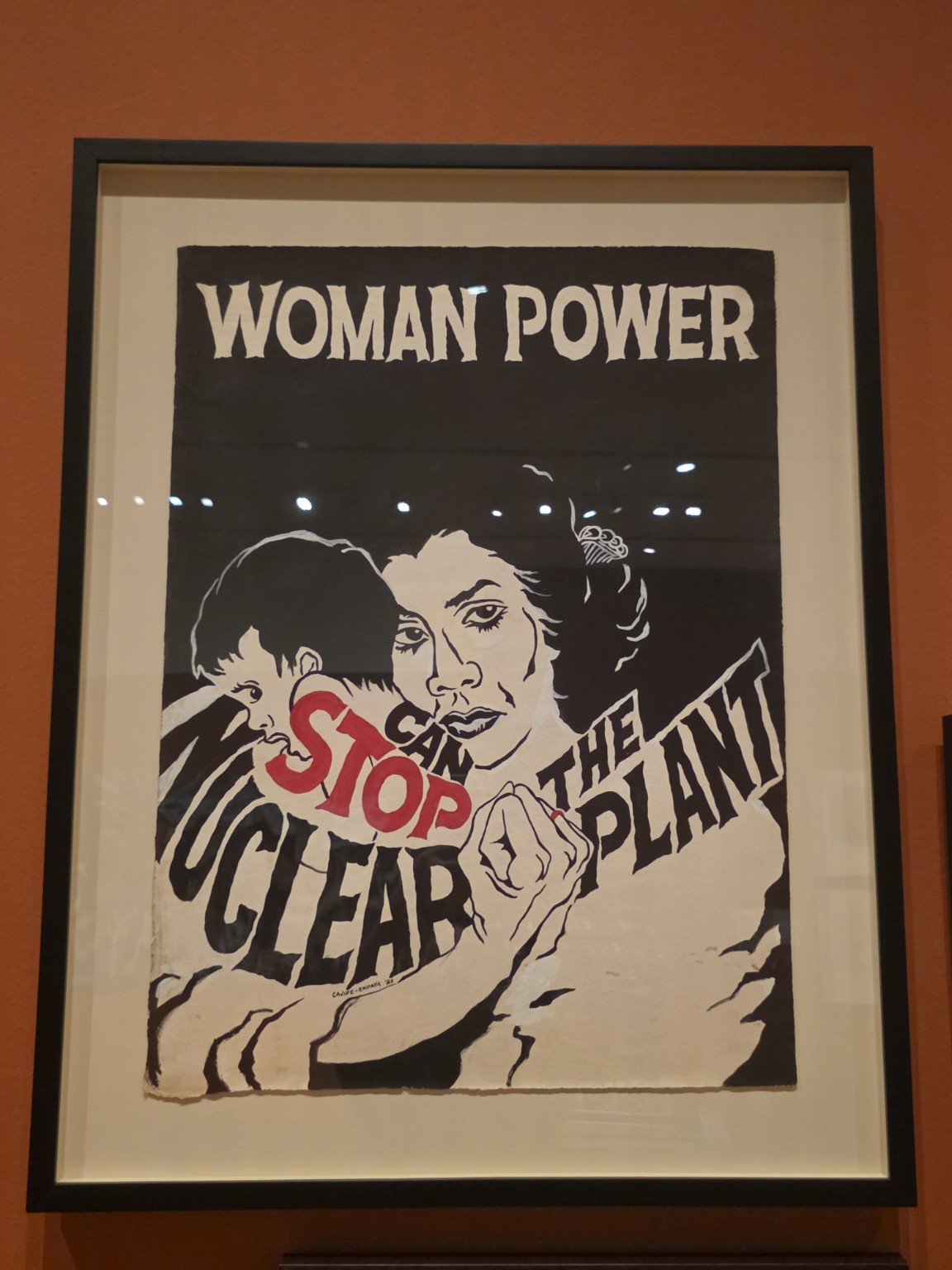
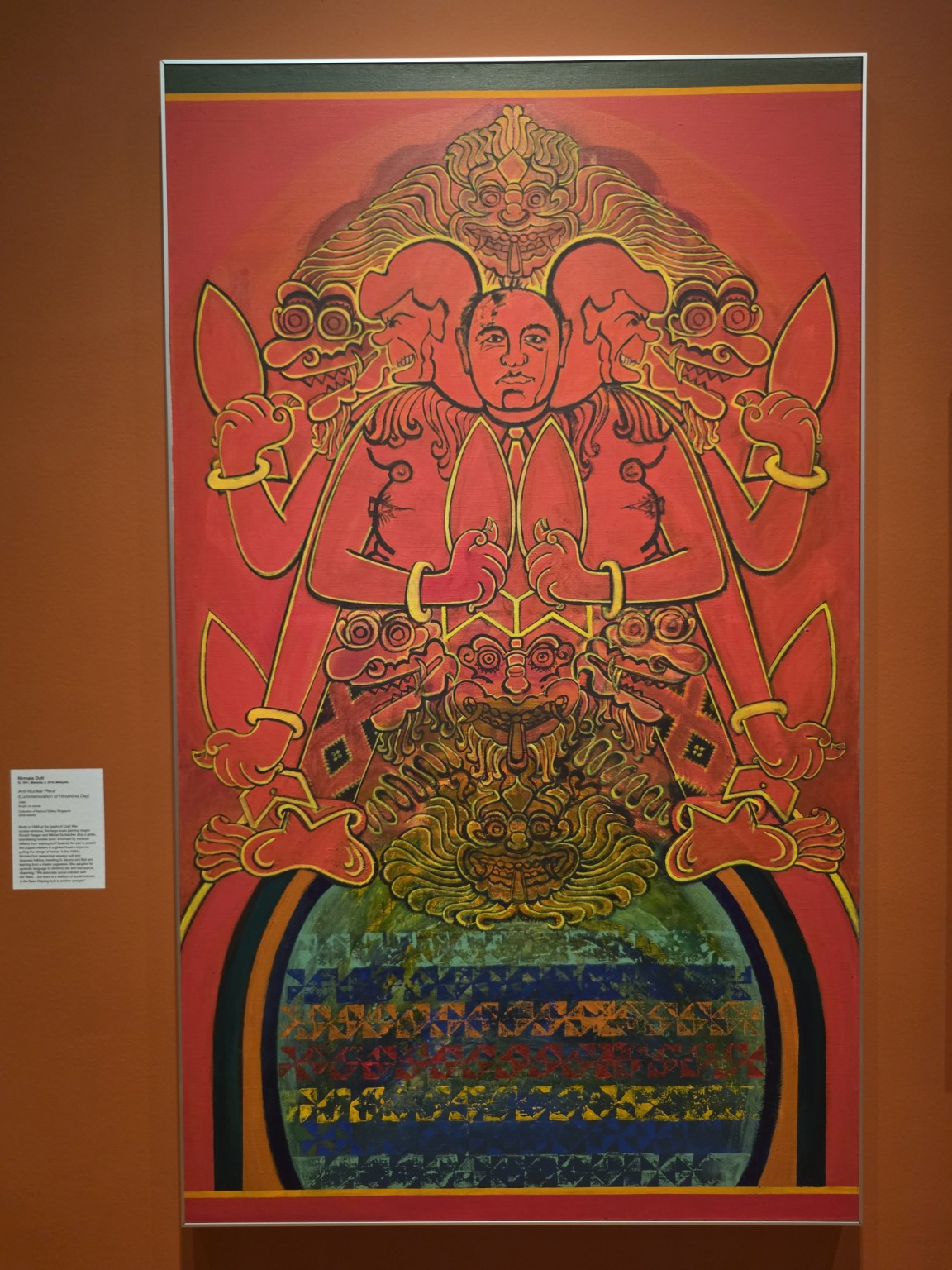
Seeing Endaya’s 1984 poster against the Bataan nuclear power plant alongside Dutt’s 1988 painting commemorating Hiroshima, I am struck by how concretely these artists pictured nuclear danger: mothers, children, bodies and lives that could be destroyed. The works address different concerns, yet share a sense of immediate urgency.
Today nuclear energy is again discussed in terms of energy security and reliable electricity. War and energy costs also sharpen the question of where power comes from. These images bring me back to a time before the Cold War ended, when nuclear safety and the threat of nuclear war both entered the work of Asian women artists.
What interests me is the form that historical experience takes in art. For younger viewers who did not live through the Cold War, do these monsters, endangered bodies and political caricatures still carry the fear of that time? As we reconsider nuclear energy’s uses, can we also hear the warnings left in these images?
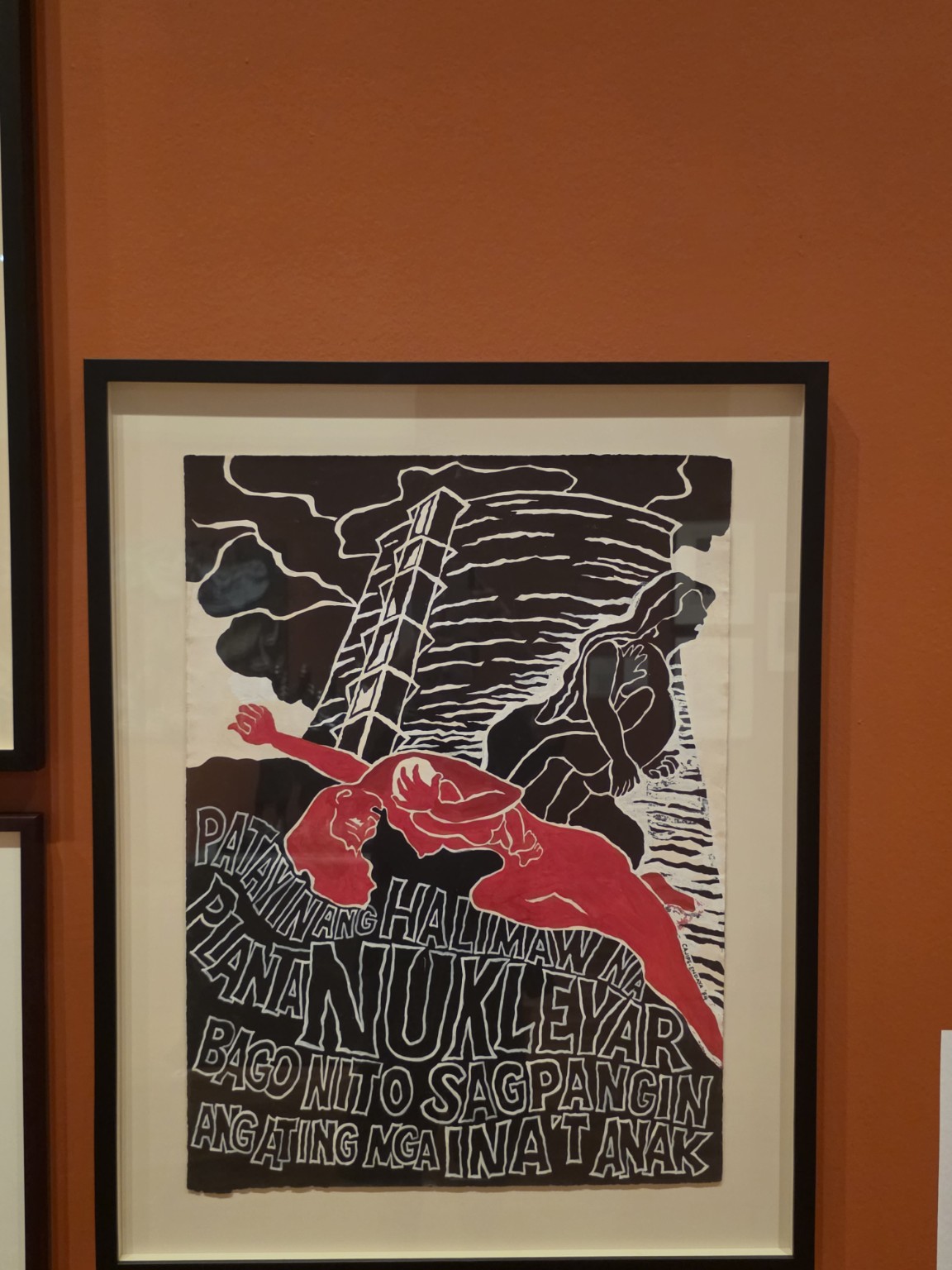
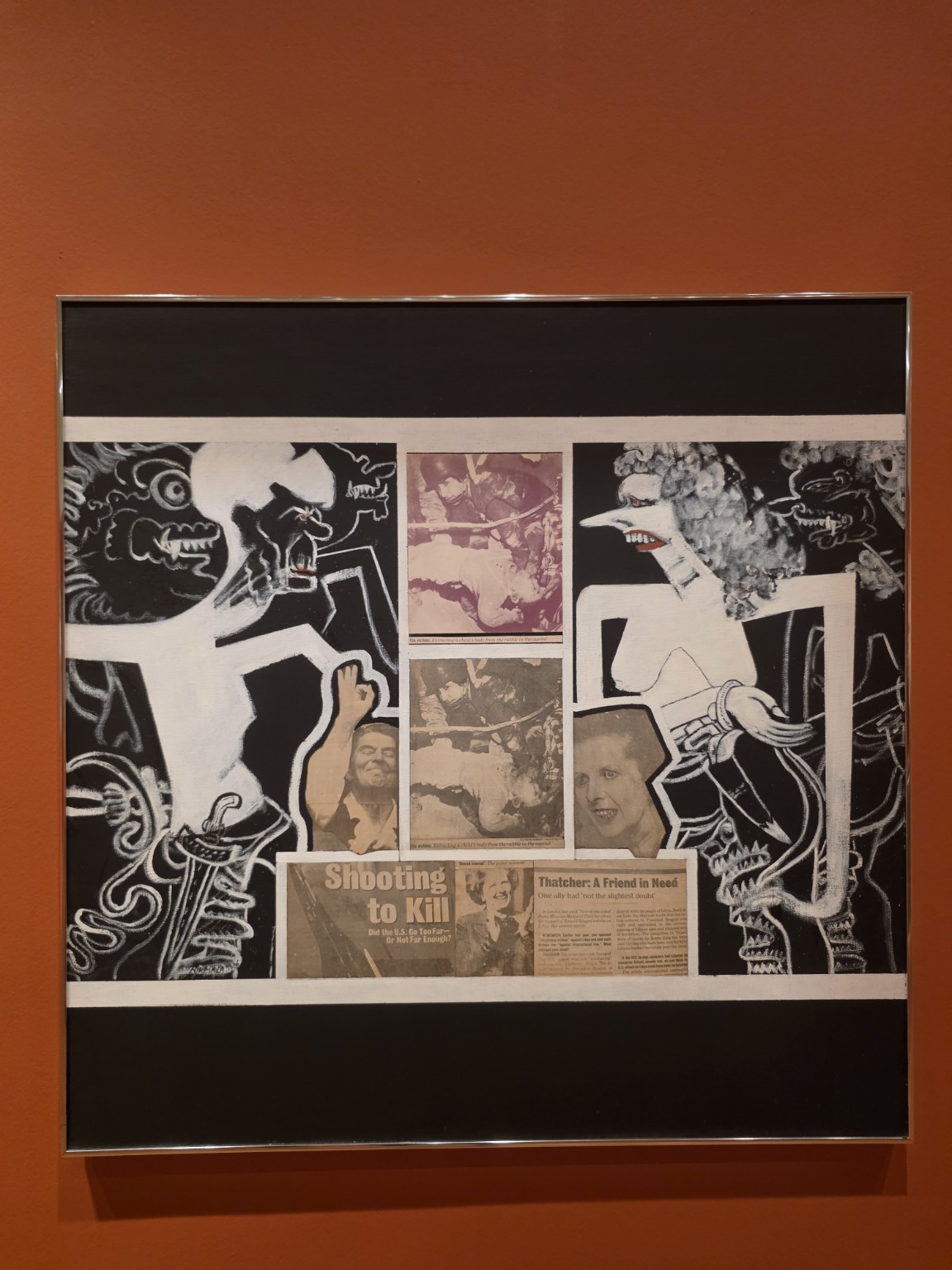
Exhibition photographs supplied by Hu Chao. Display copies of the two posters have perspective and tonal adjustments; open them to view the original photographs. Artwork details follow the labels and Gallery materials; the wayang roles are described in Dutt’s 1998 exhibition catalogue.