Notes / Reading & Archives
Images & Politics
The Democracy of Visual Images and the Recalibration of the Art Gallery Business
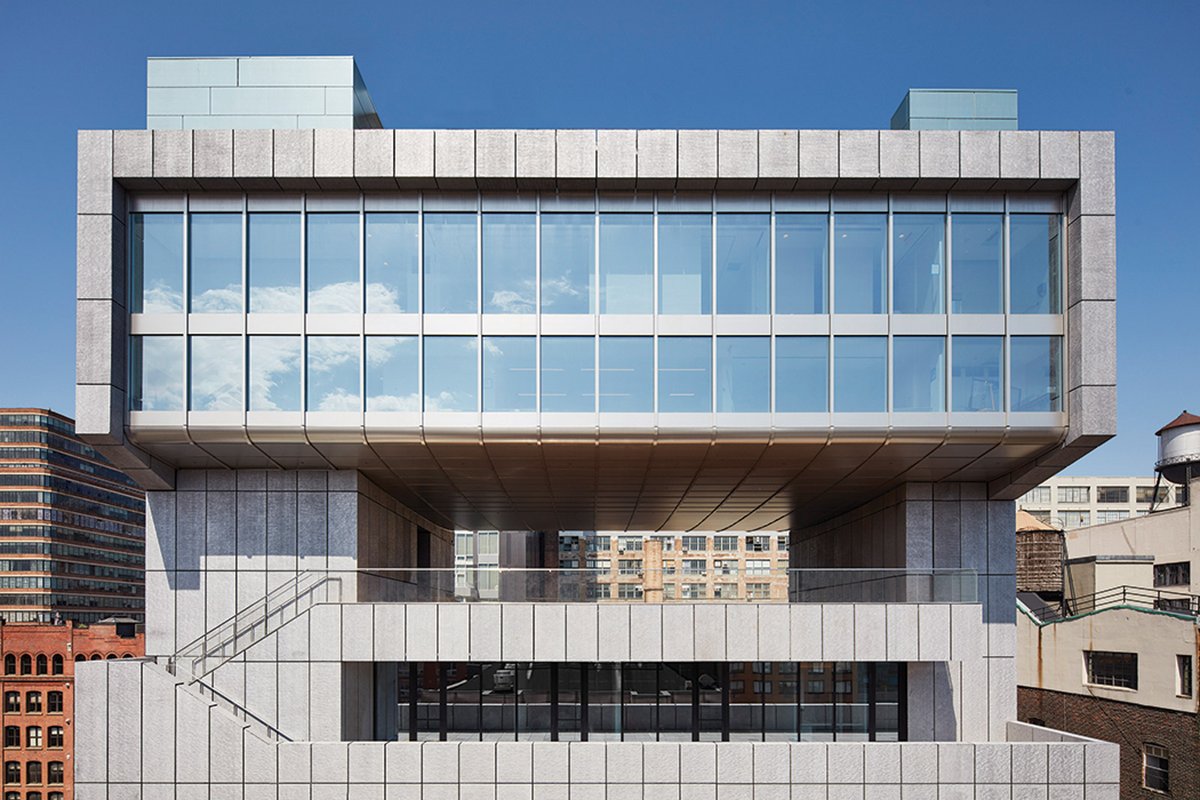
Pace announced staff cuts from roughly 250 to 200 earlier this year, followed by reports that it was seeking tenants for part of its New York headquarters. I remember how handsome its old Beijing gallery in 798 was. Could the little pond outside be a remnant of those days?
Tang Contemporary has also closed its Wong Chuk Hang space in Hong Kong, concentrating resources on Central. Its founder joined the symposium for our Bali Island exhibition only this March. These galleries may be facing considerable pressure to rethink the relationship between their scale, costs and sales.
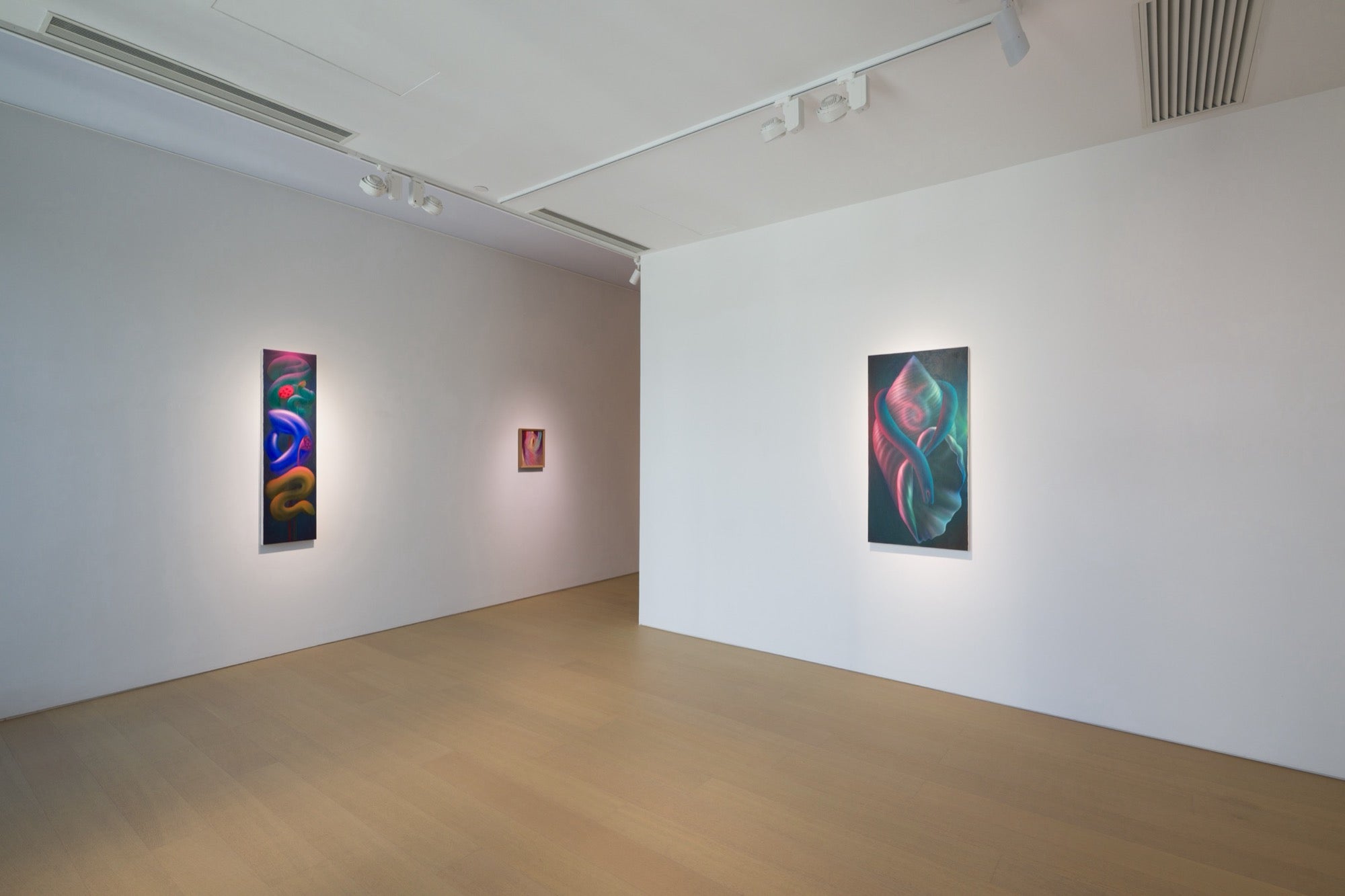
Watching artworks make their rounds of art fairs, though, I sometimes wonder what most will leave behind. Antiquities have their historical weight. Many of today’s circulating works may eventually provide a bowl of cold rice for art historians like me to eat.
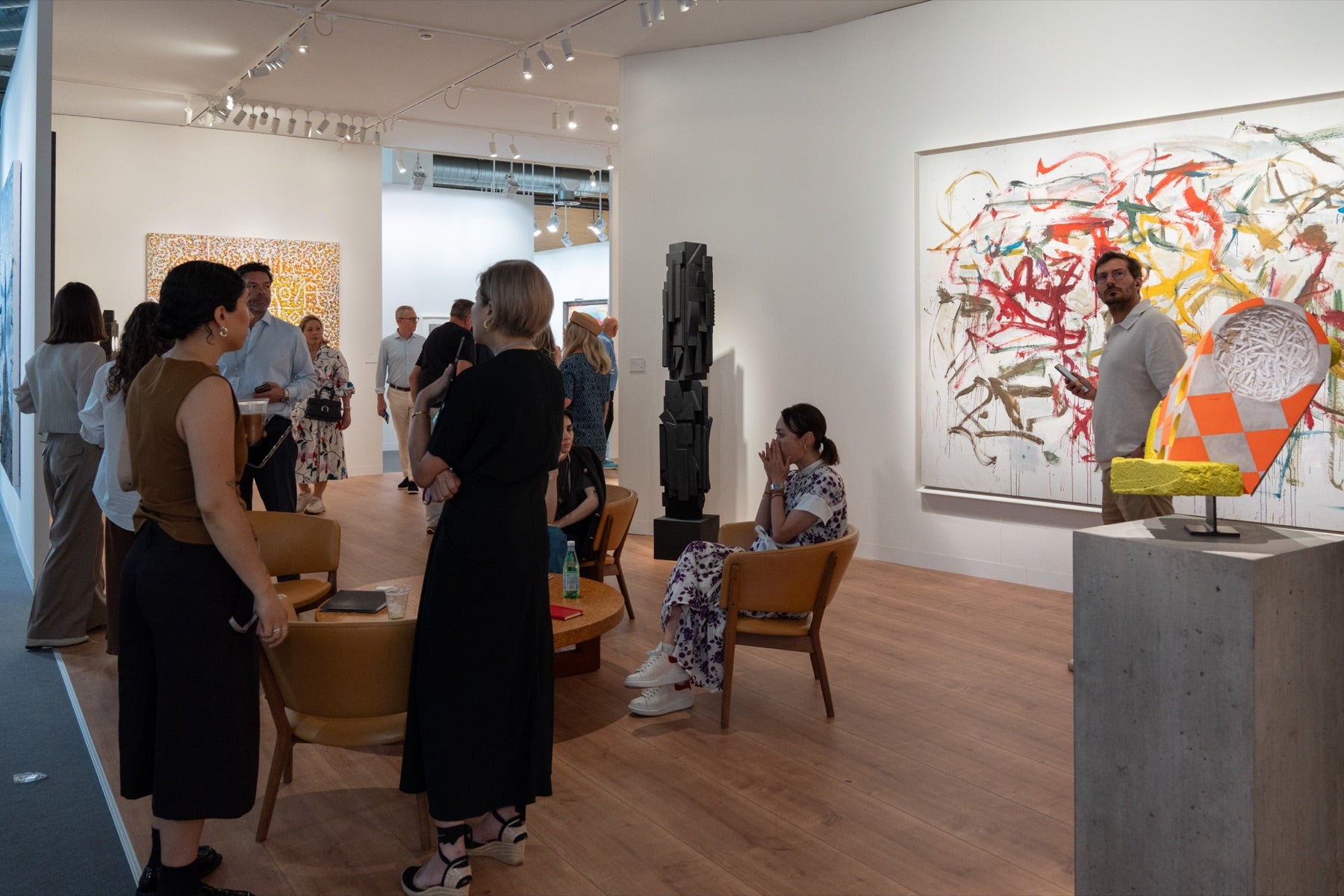
How much uncultivated territory remains for the naked eye? A work can be exclusively owned; the visual experience and imagery it offers are much harder to monopolise. Capitalist ownership can reach only so far into what we see and remember.
Whether you are Elon Musk or Joe the Plumber, a prince or a pauper, many of the images available to you are much the same. Private yachts and private doomsday bunkers have already entered a visual world shared far beyond their owners.
Even space tourism—and the private spacecraft promised for the future—has already reached me in images. Seeing the pictures has not left me desperate to buy a ticket. On 14 April 2025, Lauren Sánchez, Bezos’s then-fiancée, made her first spaceflight with five other women she had invited to join her. Blue Origin released footage of the women floating inside the capsule; the clip carried by Sky News lasts just 27 seconds. Even a private journey into space has to become images for the rest of us to see.
There is something marvellous about human vision. Strictly speaking, the object itself never enters our eyes; reflected or emitted light reaches our retinas. Light does not arrive carrying a price tag or a title deed. That is the spirit and the core definition of what I call visual democracy.
Human vision is a marvellous thing. Strictly speaking, seeing means that light reflected by objects enters our retinas. Whenever we can see, the objects before our eyes have the same physical existence. Classical artworks have collectible value because, in the past, human visual memories could not otherwise be preserved; apart from buildings, there were these paintings. This is the spirit and core definition of visual democracy: light can enter, equally, any eye that has a retina. In today’s digital age, strictly speaking, digital cameras now record the world, not just retinas. They also turn the meaning of visual images into an everyday experience shared by the public. The quantity of these images and the scale and automation of their production have become so vast that exclusive production and exclusive sale can no longer hold.
When death comes, the visual memories a billionaire carries are not necessarily richer than a passer-by’s. This may be one of the world’s most widely shared forms of democracy.
When everything can be looked at for free, I start to wonder what visual image is still worth hoarding as a rarity. Even “historical value” depends on human imagination. The data centres are already swollen to overflowing—So once again: when everything has been seen, no visual image gets to live forever. Mansions of several thousand square feet have their five- or ten-metre abstract paintings, the imagery saying next to nothing. Beyond the price tag, no meaning, presence or philosophy, inside or outside the frame, can overawe an ordinary person in a slum a hundred kilometres away. With camera footage and 3D simulations, we can climb Everest several times whenever we please. On a screen, the ground on Mars is no more out of reach than Place Vendôme. I can hardly claim to have conquered either place, but even the humblest of us can say, wearily: I came. I’ve seen it.