Notes / Reading & Archives
Art, Images & Society
“The Breeze Cannot Read,” European Edition: A Famous Painting Renamed to Avoid Trouble
Stories of literary persecution in China have circulated for centuries. One familiar story concerns the lines, “The breeze cannot read; why does it keep turning the pages?” Such stories stay with us not only because of their absurdity, but also because they touch on an unease: a writer may think they have written one thing, while those with the power to interpret it may read something else into it.
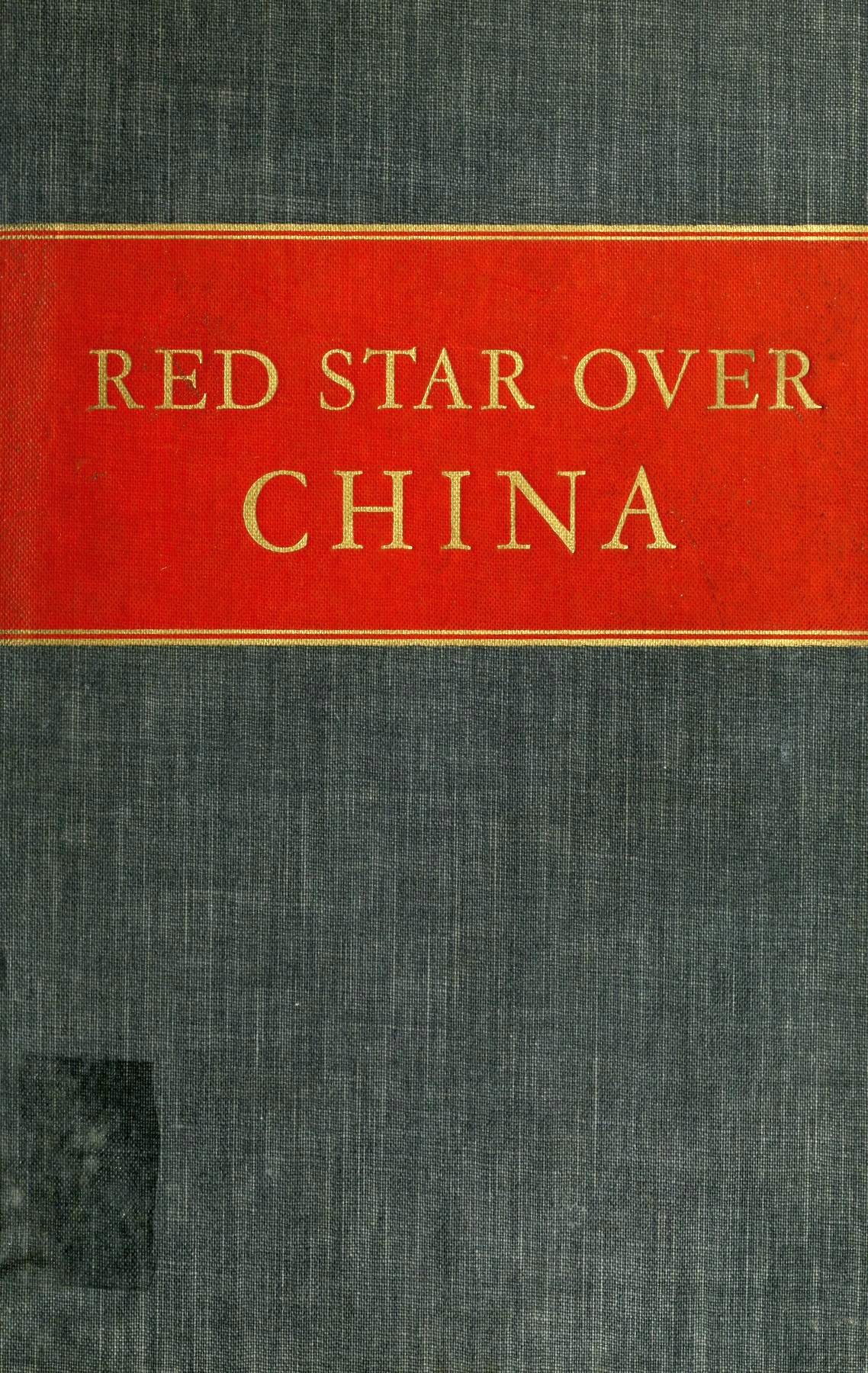
Even in modern times, a change of name remained one way to respond. When the Chinese translation of Edgar Snow’s Red Star Over China was published in 1938, it appeared under the title Xixing Manji, roughly “Notes on a Journey West.” To reduce the risks posed by publication censorship, the publishers replaced the conspicuous political imagery with a title that sounded more like a travel account. For someone who had yet to open the book, “Red Star Over China” and “Notes on a Journey West” would clearly suggest very different things. The publication history
I had wanted to find a work of art to see whether images had similar stories to tell. My search revealed that this negotiation between creation and interpretation also appears in European art history. One example involves the familiar subject of the Last Supper.
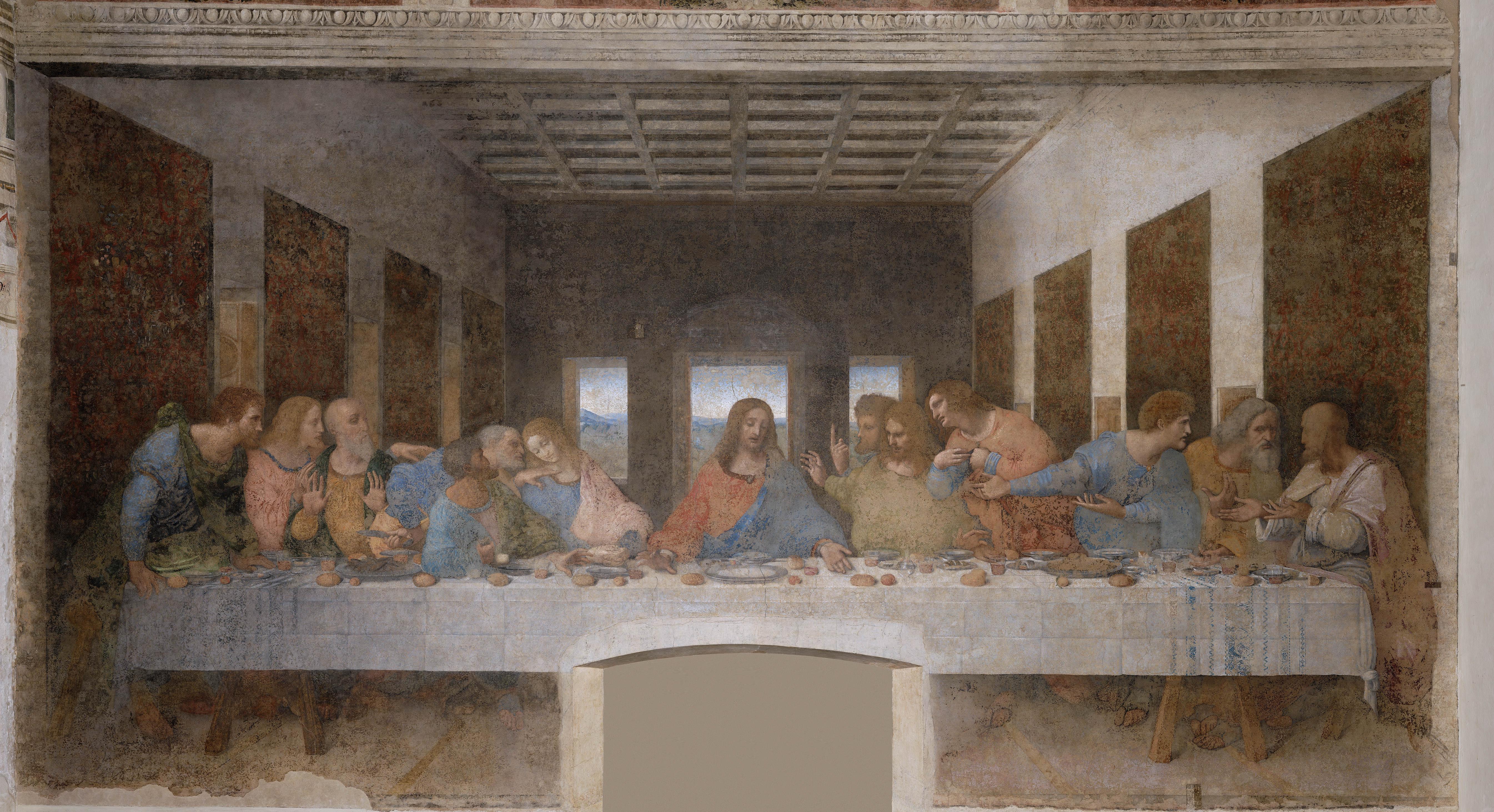
The Last Supper is a well-known biblical story: Jesus shares a meal with his disciples before his Passion. Leonardo da Vinci’s painting made the subject part of a shared visual memory for many people: Jesus sits in the center, with the disciples on either side, their bodies, gestures, and expressions drawing our attention to what is happening among them.
But there is more than one way to paint the same story.
In 1573, Veronese painted his own Last Supper for a monastery in Venice. About thirteen meters wide, the painting spreads the banquet across a vast arcade. Alongside Jesus and the disciples are soldiers, jesters, servants, and other figures. Their varied actions and expressions give the sacred supper the bustle of a worldly feast.
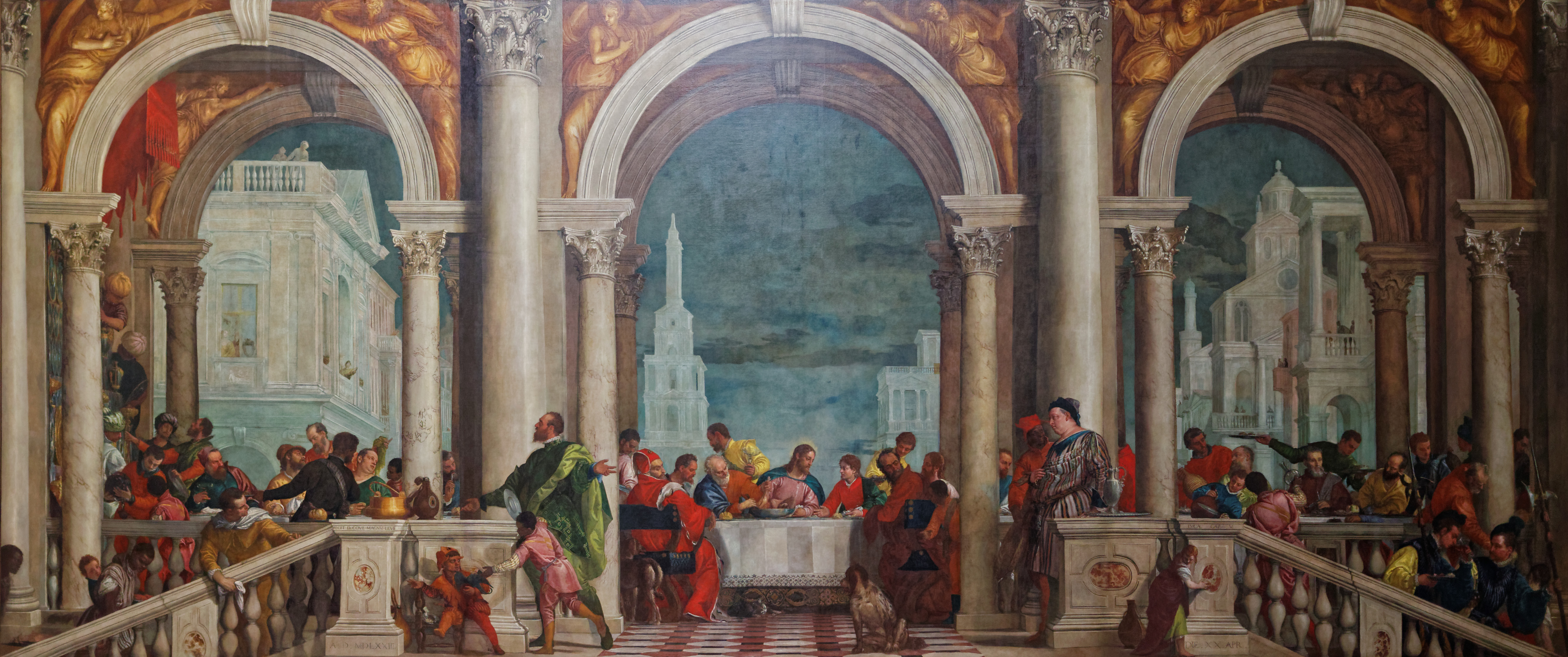
It was these figures that drew questioning from the Inquisition. Why had the painter placed such characters in so sacred a scene? Under questioning, Veronese defended the freedom of the painter’s imagination, arguing that painters should enjoy the same freedom as poets and madmen. He was nevertheless ordered to alter the work. The Gallerie dell’Accademia’s account of the painting
He later found an ingenious solution: he changed the subject to The Feast in the House of Levi and added a reference to the relevant scripture on the painting.
This was not simply a matter of choosing a pleasing new name. Chapter 5 of the Gospel of Luke describes Levi, a tax collector, giving a feast for Jesus in his home, with many tax collectors and others sharing the meal. A mixed company belonged at this feast from the outset. The figures whose presence had been questioned in a “Last Supper” could therefore be understood differently. Luke 5:27–32
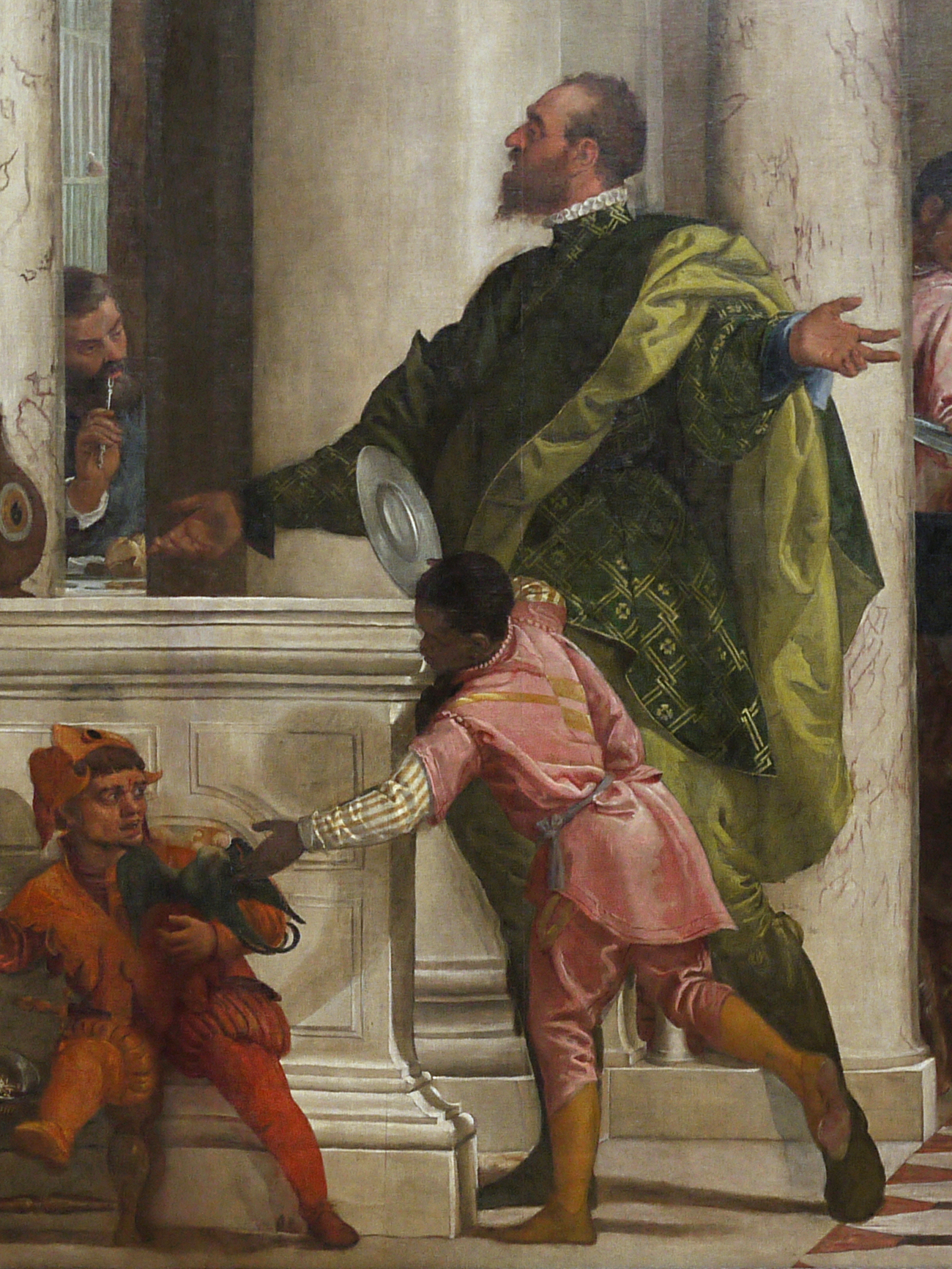
What I find most interesting about this story is that the painter’s skill did not change with the title, but the way the work was viewed and judged did. A title may seem to be just a few words, yet it tells viewers what occasion they are looking at, who is allowed to be there, and how the details before them should be understood.
Today, the very figures that once caused controversy help make the painting feel alive. Following their movements, clothing, and glances, we can see parts of a feast that are less sacred but full of everyday life. What sort of painting would remain if all of these were removed?
Xixing Manji and The Feast in the House of Levi faced different institutions and circumstances, but both draw my attention to what a name can do. Sometimes creators and publishers must not only complete a work, but also find an interpretation under which it can exist and be read. A name can impose a limit, but it can also leave a little room, at least for a time.
The familiar Last Supper by Leonardo da Vinci is included at the end as a comparison, to help show what is distinctive about Veronese’s painting. These are separate works by different painters, not the same painting before and after its title was changed.
Artwork images: the selected Wikimedia Commons source pages mark these images as public domain. The 1938 American-edition cover image is marked public domain (PD-Art/PD-text) on its source page; this statement concerns the cover image, not the book’s text. The Veronese full-image source also notes Italian cultural-heritage reuse rules; public-domain status is not a guarantee of unrestricted use in every context. Original Chinese text by Hu Chao. English version produced by machine translation.